Are Bamboo Period Panties Better for Sensitive Skin?
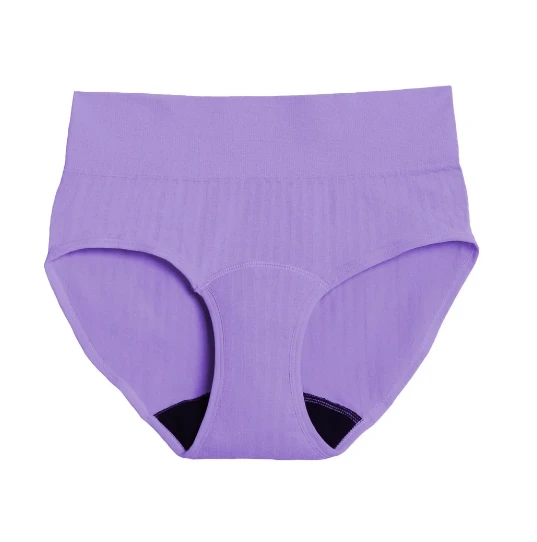
Bamboo period panties can be comfortable for sensitive skin, but the bamboo label alone does not prove that a product will cause less irritation. In the United States, the FTC states that many textiles marketed as bamboo are actually rayon or viscose made from bamboo-derived cellulose, and those fibers should be labeled accordingly. For sensitive vulvar skin, the more useful factors are the fabric touching the body, moisture retention, seams, elastic, dyes, fragrances, detergent residue, fit, and how long the garment stays damp. ACOG recommends avoiding scented products, tight underwear, and common irritants, while recommending breathable underwear with a cotton panel.
The first point to check is what “bamboo” means on the product label. Under U.S. FTC rules, a textile can only be called bamboo when it is made directly from actual bamboo fiber; rayon or viscose produced from bamboo must be identified as rayon or viscose made from bamboo. The FTC has taken enforcement action over misleading bamboo claims, including a $1.26 million total penalty announced in 2013 involving four retailers that sold rayon products as bamboo.
That distinction matters because the finished fiber is not the same material as raw bamboo. In many commercial garments, bamboo is used as the cellulose source and then processed into regenerated fiber. The FTC has also stated that rayon made from bamboo does not retain the natural antimicrobial properties of the bamboo plant. Claims that a bamboo-derived fabric is naturally antibacterial therefore should not be treated as a skin-care benefit unless the finished textile itself has supporting testing.
For sensitive skin, the surface touching the body deserves more attention than the plant used at the start of manufacturing. A garment may contain 95% bamboo-derived viscose and 5% elastane, yet its absorbent gusset may use several different materials. The skin may therefore contact a layered construction rather than one fiber. When comparing period panties, check the composition of the main fabric, gusset, elastic, lining, and leak-resistant layer instead of reading only the product name.
Softness can still be useful. Smooth fabric may create less rubbing at the inner thighs, leg openings, and groin than a rougher textile. ACOG lists friction among causes that can contribute to vulvar problems and recommends loose-fitting clothing and 100% cotton underwear in guidance for minimizing irritation. That recommendation does not prove that cotton is medically superior to bamboo-derived viscose in every case, but it shows that fabric contact and garment fit matter in vulvar care.
Moisture is another concern because period underwear is worn for several hours at a time. If menstrual fluid remains close to the skin, the garment can feel warmer, wetter, and more abrasive during movement. A person with a light flow may have a different experience from someone with heavy bleeding, even when both wear the same product for 8 hours. Absorbency claims should therefore be matched to personal flow rather than treated as a universal wear-time standard.
A soft fabric that stays damp for hours may be less comfortable than a slightly different fabric that moves fluid into an absorbent layer more effectively.
The layered design also changes how a period panty feels. The body-facing layer usually handles initial fluid contact, the middle section provides absorbency, and a lower layer helps reduce leakage. Each added layer can improve function while also increasing thickness or reducing airflow. There is no single construction that suits every wearer, so comparing only the fiber content can miss practical differences between two garments made from 80% or 90% similar materials.
Fragrance deserves separate attention. ACOG advises avoiding perfumes, scented products, deodorants, harsh soaps, and other possible irritants around the vulva. In its general vulvovaginal health guidance, ACOG also recommends fragrance-free care and notes that plain water can be adequate when the vulva is irritated. For someone already sensitive, a fragrance-free pair of period panties may be a more reasonable option than a garment carrying added scent or deodorizing treatment.
Laundry products can matter just as much as the fabric. A pair made from 100% bamboo-derived viscose can still feel irritating if it is repeatedly washed with strongly scented detergent or treated with fabric softener. ACOG specifically lists detergents among products that may contribute to vulvar irritation. Following the manufacturer's care instructions, rinsing thoroughly, and avoiding unnecessary fragrance can reduce the number of substances left on the fabric after washing.
Fit changes the amount of friction created during ordinary movement. Underwear that is too tight can press the waistband and leg openings into the skin, while an overly loose garment may shift the absorbent section away from the body. ACOG recommends not wearing tight-fitting underwear, particularly when someone is experiencing vulvar symptoms. For that reason, sizing should be based on the manufacturer's measurements rather than assuming that the same size used in another underwear brand will fit identically.
Seams are easy to overlook because product pages often focus on absorbency. For people who experience rubbing, flat seams, softer elastic, and fewer raised edges around the gusset may be more noticeable during a long day. This is especially relevant during exercise, when repeated movement can increase friction. A product that feels comfortable for 2 hours at home may feel different after 10,000 steps or a full workday, so real-world fit matters alongside the fiber label.
The amount of bamboo-derived fiber is also not enough to predict skin tolerance. Someone can react to dyes, elastics, finishes, adhesives, detergents, or another material in the garment. ACOG notes that contact dermatitis can be triggered by substances such as fabrics, soaps, and perfumes and may cause itching, burning, rawness, or pain. That is why “hypoallergenic” should not be read as a guarantee that a particular pair will suit every wearer.
For shoppers comparing period panties, a simple material check can help:
| What to inspect | Why it matters |
|---|---|
| Body-facing fabric | Determines direct skin contact |
| Gusset composition | Often differs from the main fabric |
| Absorbency level | Should match individual menstrual flow |
| Leg openings | Tight elastic may increase rubbing |
| Seams | Raised stitching may cause repeated friction |
| Fragrance | Added scent is unnecessary for menstrual protection |
| Care instructions | Heat and laundry products can affect comfort and performance |
| Material disclosure | More detail makes product comparison easier |
Certification can add another layer of information, but it should be read precisely. A textile standard may test for specified substances or manufacturing criteria; it does not automatically establish that a garment cannot irritate an individual. The FTC's bamboo guidance also makes clear that sellers are responsible for supporting claims about fiber content and other product characteristics. Information about the finished garment is therefore more useful than broad statements about bamboo as a plant.
Wear time should be based on flow and comfort rather than a fixed number printed in marketing. If the absorbent area feels saturated, dampness persists, leakage begins, or irritation develops, changing sooner makes more sense than trying to reach a stated maximum. Someone changing once every 4–6 hours on a heavier day may have a better experience than wearing one pair for an entire day simply because the product is advertised for extended use.
Bamboo-derived viscose may feel smoother than some cotton fabrics, and that softness can be attractive for people who dislike rough textures. At the same time, ACOG's published vulvar-care advice continues to favor cotton underwear and breathable, non-tight clothing for people dealing with irritation. The medical guidance therefore supports paying attention to the complete garment rather than treating one fiber as automatically better.
A practical approach is to buy 1 pair first, wear it under normal conditions, and note whether irritation appears around the waistband, thighs, or gusset. Using the same laundry detergent for the trial also makes the comparison easier. If symptoms appear after changing both underwear and detergent at the same time, identifying the source becomes harder.
Persistent itching, burning, pain, sores, unusual discharge, or symptoms that continue after removing a suspected irritant should not automatically be blamed on textile choice. ACOG lists several vulvar conditions, including contact dermatitis and folliculitis, that can produce overlapping symptoms. Friction and clothing can contribute, but repeated or significant symptoms may require assessment by a gynecologist or other qualified clinician.
The product characteristics worth prioritizing are therefore fairly specific: a smooth body-facing fabric, comfortable fit, suitable absorbency, minimal rubbing at seams and elastics, no unnecessary fragrance, clear fiber disclosure, and care instructions that can be followed consistently. Bamboo-derived viscose can fit that profile, but a well-made cotton garment can fit it too. The FTC's bamboo labeling rules from 2013 onward, together with ACOG's recommendations on fragrance, fit, and vulvar care, support evaluating the complete finished garment rather than relying on the bamboo name alone.